- Home
- About Us
- Food Security Projects
- News
Food Security Projects
Mobile Pantries

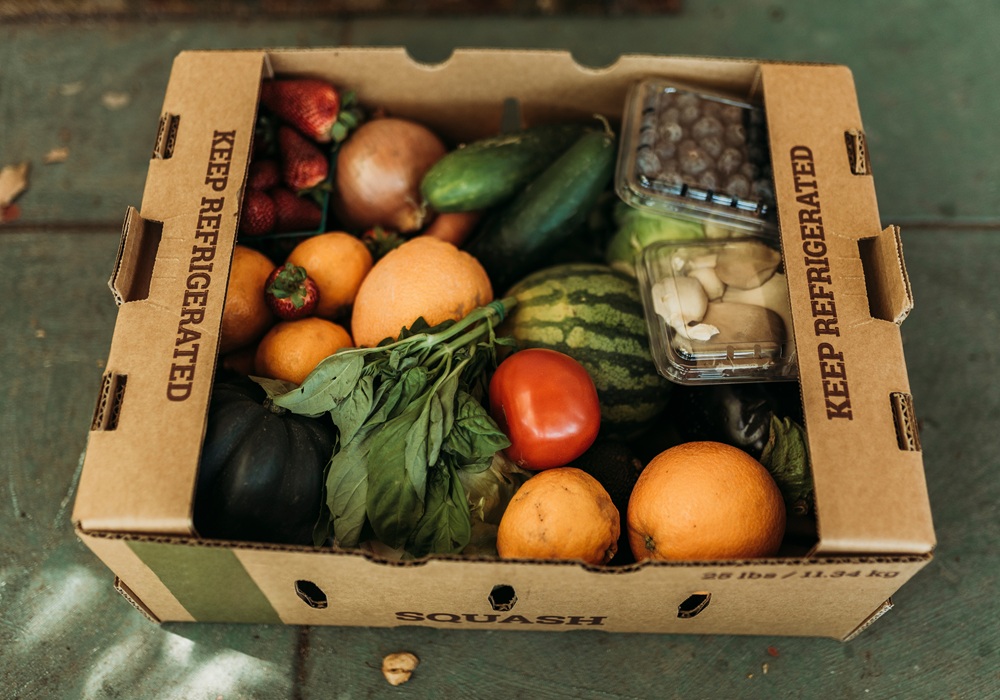
Mobile food distribution involves bringing food directly to school sites where families in need can pick up food. Food is typically transported to the sites using trucks or vans. This approach is especially beneficial for reaching families facing transportation challenges or living in areas with limited access to grocery stores or food assistance programs.
The distribution can include various nutritious items such as fresh produce, dairy products, grains, and proteins, providing families with essential ingredients to prepare meals at home. Schools often partner with local food banks, government agencies, or community organizations to organize and execute mobile food distributions.
Central California Food Bank’s School Pantry Program works with schools to determine the distribution model ranging from pre-assembled boxes that are picked up via drive through to a model where schools open up a physical pantry where families can select the items they want to take home.1
By bringing food resources directly to families at school sites, mobile distributions allow families to source food in a familiar place, help alleviate food insecurity, promote access to healthy food options, and strengthen community support networks. Additionally, these initiatives may incorporate educational components, such as nutrition workshops or cooking demonstrations, to empower families to make healthier food choices and utilize the distributed resources effectively.
Evidence for Use
+
-
Access to produce and other nutrient dense foods differs greatly by geographic location; individuals living in lower-income areas generally have less access to healthy foods.2
The systems that support low-income families with food access struggle with the equitable distribution of food is a challenge in both rural and urban areas throughout the United States.
A study conducted in low-income neighborhoods in Los Angeles and those in other areas suggest that mobile food distribution may be an effective way to reach families in under‐served geographic areas.3,4
Schools located in lower-income neighborhoods, or areas considered food deserts are well positioned to host periodic food distribution to support the food security of students and families.
Implementation Process
+
-
Before implementing a mobile food pantry, it is essential to identify areas within the community where food insecurity is prevalent. Consider factors such as income levels, access to transportation, and the presence of food deserts. Engage school families and other nearby residents in the planning process. Collaborate with local food banks, government agencies, businesses, and community organizations to establish partnerships. These partners can provide resources, such as food supplies, funding, and logistical support, to help launch and sustain the mobile pantry. In California, many mobile food pantries are operated by regional food banks that have the equipment, including vans or trucks, as well as trained staff for food distribution.
Once partnerships are in place, establish a regular schedule for food distributions, considering factors such as days of the week, times of day, and frequency of visits. Promote the mobile pantry program through targeted outreach to community members who may benefit from supplemental food. To raise awareness and encourage participation, utilize various communication channels, including social media, local newspapers, community bulletin boards, and word-of-mouth referrals. Lastly, consider evaluating the effectiveness of the mobile pantry program through feedback from recipients, volunteers, and partners. Monitor metrics such as participation rates, food distribution quantities, and community impact to identify areas for improvement and refinement.
Best Practices
+
-
- Engage families in the process from the start and seek regular feedback from families to ensure the program is meeting the needs of the community
- Provide as much choice for families as possible
- Timing distribution around school drop off or pick up may assist working families with limited time or transportation
Participating Schools



Citations
1. School food programs. Central California Food Bank Web site. https://ccfoodbank.org/home/about-us/programs/school-food-programs/. Accessed April 11, 2024.
2. Morland K, Wing S, Diez Roux A, Poole C. Neighborhood characteristics associated with the location of food stores and food service places. American journal of preventive medicine. 2002;22(1):23-29. https://dx.doi.org/10.1016/S0749-3797(01)00403-2. doi: 10.1016/S0749- 3797(01)00403-2.
3. Stauffer JM, Vanajakumari M, Kumar S, Mangapora T. Achieving equitable food security: How can food bank mobile pantries fill this humanitarian need. Production and operations management. 2022;31(4):1802-1821. https://journals.sagepub.com/doi/full/10.1111/poms.13663. doi: 10.1111/poms.13663.
4. Algert SJ, Agrawal A, Lewis DS. Disparities in access to fresh produce in low-income neighborhoods in Los Angeles. American journal of preventive medicine. 2006;30(5):365-370. https://dx.doi.org/10.1016/j.amepre.2006.01.009. doi: 10.1016/j.amepre.2006.01.009.